Peripheral artery disease sneaks up on people. It starts with calf tightness on a hill you used to climb easily, or toes that feel colder than they should in a warm room. If you have diabetes, high blood pressure, high cholesterol, or a history of smoking, those hints deserve attention. An experienced vascular surgeon separates nuisance symptoms from real danger, then builds a plan that preserves mobility and prevents heart attack, stroke, and limb loss. PAD is not just a leg problem. It is a marker of systemic arterial disease, and it demands disciplined care.
I have treated thousands of patients with PAD across outpatient clinics, hospital wards, and hybrid operating rooms. Some needed only coaching and medication adjustments. Others arrived at midnight with a blue toe and no pulse, and we ran to the angio suite. This is a specialty where judgment matters. Tools are important, but timing and thoughtful selection are what save tissue and avoid complications.
What a vascular surgeon actually does for PAD
A board certified vascular surgeon trains to diagnose and treat disease of arteries and veins throughout the body, from carotid arteries to the aorta, down to tibial vessels in the foot. We work in clinic, perform imaging, and operate using open techniques and endovascular methods. When it comes to PAD, the job includes four core tasks: risk stratification, optimization of blood flow, protection from cardiovascular events, and prevention of wounds and amputations.
In a first visit, I listen for patterns. Calf pain that starts with walking and stops with rest, called claudication, points toward arterial narrowing. Night pain relieved by dangling the foot over the edge of the bed, or sores that do not heal, suggests critical limb-threatening ischemia. Neuropathy can camouflage symptoms, so I look directly at the feet, nails, and skin. I palpate pulses at the groin, behind the knee, at the ankle, and on the top and side of the foot. When pulses are absent or asymmetric, I use a handheld Doppler to check arterial signals. We measure ankle-brachial index, and in diabetics with calcified vessels we often add toe pressures or transcutaneous oxygen to avoid false reassurance.
Imaging choices follow the clinical picture. Duplex ultrasound gives a real-time map of flow, velocity, and stenosis. CT angiography or MR angiography offers a broader survey when we suspect multilevel disease or plan an intervention. In urgent cases with a threatened limb, we proceed to an on-table diagnostic angiogram that can convert directly to treatment if warranted.
Treatment starts with medical therapy. Every person with PAD benefits from high-intensity statins unless contraindicated, and most should be on antiplatelet therapy. I address blood pressure and diabetes targets, and I press for smoking cessation because tobacco is the single most destructive accelerant of PAD. Supervised exercise therapy increases walking distance and improves quality of life. Many patients never need a stent or a bypass once they commit to medical optimization and training.
Intervention is selective. For claudication that limits work or daily activities despite three months of therapy, or for limb-threatening ischemia, we consider revascularization. Endovascular options include angioplasty, stent placement, intravascular lithotripsy for calcified lesions, and atherectomy in select lesions. Open surgery, such as femoral endarterectomy or bypass, remains indispensable when disease is extensive, anatomy is unfavorable for stents, or the expectation of durability favors a vein graft. The best vascular surgeon is not the one who always stents or always cuts, but the one who sees the patient clearly and chooses the right tool for the long run.
PAD looks different in different people
No two legs are the same, and neither are two lifestyles. A retired gardener wants to kneel among tomatoes without fear of sores; a delivery driver needs to carry loads up apartment stairs; a dialysis patient with a swollen foot has fragile skin and limited healing reserve. The classic teaching says claudication is predictable pain after a fixed distance. In practice, neuropathy, spinal stenosis, arthritis, and deconditioning complicate the picture. I often stage a walking test in the hallway. Watching someone move tells you as much as a scan.
Diabetes changes the map of disease, pushing blockages farther down the leg into tibial and pedal arteries. These distal lesions matter because they supply the wounds on toes and heels. Restoring flow to a specific angiosome, the arterial territory supplying the ulcer, can accelerate healing. That may mean a tibial angioplasty in addition to a more proximal intervention. In some cases, a vein bypass to a foot artery offers the best chance for a durable outcome and amputation prevention.
Women with PAD are often diagnosed later. Symptoms can be attributed to joint pain or fatigue, and smaller vessel size can challenge stent durability. Older adults, particularly those over 75, face competing risks of contrast exposure, bleeding, and falls. They still benefit from improved flow, but we often stage treatments and focus on what changes the day-to-day function they care about.
When to see a vascular specialist
If you have exertional leg pain that stops with rest, nonhealing wounds, night pain in the feet, a history of smoking, diabetes, or known coronary or carotid disease, a vascular surgeon consultation is appropriate. Primary care clinicians do an excellent job of prevention, but PAD lives at the intersection of risk factors and anatomy. A vascular and endovascular surgeon can determine whether symptoms are vascular, perform point-of-care tests, and map a path that avoids unnecessary procedures. A sudden cold, painful, or pale limb is an emergency and requires an emergency vascular surgeon immediately.
People often wonder about vascular surgeon vs cardiologist for PAD. Cardiologists manage the heart and sometimes perform endovascular procedures in the legs, and many are excellent partners. Vascular surgeons treat the entire arterial tree and are trained in both open and endovascular options. In complex limb salvage, where options may shift mid-procedure, that comprehensive training offers flexibility. The best answer is a collaborative team where expertise overlaps and the patient’s goals lead.
How we decide between endovascular and open surgery
Endovascular therapy is minimally invasive. Through a small puncture, we pass wires and balloons to crack open a stenosis. Recovery is fast. In the iliac arteries and above the groin, stents perform very well. In the femoropopliteal segment and below the knee, results vary with lesion length, calcification, diabetes, and runoff. Drug-coated balloons and stents have improved patency in many scenarios, though the advantage is modest in heavy calcification. Intravascular ultrasound refines sizing and confirms expansion. I use it routinely when planning stents in the femoral artery to avoid over-dilation.
Open surgery is a bigger commitment with longer recovery, but it provides long-term durability in the right patient. A vein bypass from the common femoral to the below-knee popliteal or tibial artery can remain open for many years, especially when smoking stops and targets are good. Femoral endarterectomy clears bulky plaque at the groin, improves flow to the leg, and creates a solid landing zone for future stents if needed. In my practice, a patient with long-segment superficial femoral artery occlusion, good saphenous vein, and a life expectancy beyond a few years often benefits more from bypass than a chain of stents that each adds scar tissue and complicates the next intervention.
Staged hybrid reconstructions combine both worlds. We may perform a femoral endarterectomy to normalize inflow, then in the same setting use angioplasty and stenting to treat downstream disease. This approach reduces anesthesia exposure and shortens hospital stays.
Beyond the leg: the systemic stakes
PAD is a red flag for cardiovascular events. The arteries in your legs and the arteries in your heart share the same biology. Patients with PAD face a two to fourfold higher risk of heart attack and stroke. A vascular doctor’s job includes finding the silent hazards. That means prescribing statins, checking lipids, ensuring antiplatelet therapy is in place, and screening for carotid bruits when appropriate. We team up with primary care and cardiology to align targets: LDL often below 70 mg/dL, blood pressure commonly below 130/80 if tolerated, A1C individualized but often near or below 7 percent for many non-frail adults.
We also handle aneurysm screening. A smoker with PAD deserves at least a conversation about abdominal aortic aneurysm screening, which is quick and noninvasive. Patients with carotid disease get focused duplex evaluation when indicated by symptoms or bruits. A vascular surgery center should not treat the leg in isolation.
Real-world scenarios and judgment calls
A 68-year-old retired mechanic with one year of calf pain walks two blocks before stopping. He quit smoking six months ago. His ABI is 0.58 on the right, 0.78 on the left. Duplex shows a 90 percent stenosis in the common femoral artery and long calcified disease in the superficial femoral artery. He wants to mow his lawn without stopping. We start high-intensity statin therapy, continue his aspirin, and enroll him in supervised exercise therapy. If his walking distance plateaus after three months, I perform a femoral endarterectomy to fix inflow, then consider targeted endovascular work on the femoral artery if needed. Many patients see a marked improvement with inflow alone.
A 72-year-old woman with diabetes and a plantar ulcer under the first metatarsal head has toe pressure of 30 mmHg. Duplex shows tibial vessel disease with a patent dorsalis pedis but poor posterior tibial flow. Her wound sits in the posterior tibial angiosome. We plan endovascular tibial angioplasty to the posterior tibial artery to direct flow where healing matters. If we get a good pedal loop and toe pressure rises above 50 mmHg, the wound care team can usually achieve closure with off-loading and debridement.
A 59-year-old smoker presents at 2 am with a cold, painful leg and no Doppler signals. This is acute limb ischemia, likely embolus or thrombosis on chronic disease. We rush to the hybrid OR. Options include catheter-directed thrombolysis, mechanical thrombectomy, and open embolectomy, often followed by endovascular or open repair of the underlying lesion. The difference between limb salvage and amputation can be minutes to hours. This is where a 24 hour vascular surgeon and a hospital team with clear protocols are lifesaving.
What to expect from a vascular surgeon consultation
Good care starts with a thorough story, an exam, and a shared plan. We discuss your medications and allergies, review imaging if you have it, and often perform a point-of-care duplex. We sort symptoms that are vascular from those that are musculoskeletal or neurologic. If we suspect PAD, we talk through risk modification that starts that day. If you need an intervention, we outline benefits, risks, alternatives, and timing, including whether sedation or anesthesia suits your health status.
I advise patients to bring shoes they actually wear, not perfect ones hiding in a closet. Footwear tells me about pressure points and gait. If there is a wound, we uncover it and measure it. We assign a specific follow-up interval, usually weeks, not months, so small problems do not become large ones.
Costs, insurance, and access without surprises
Cost matters. Most vascular surgeon clinics accept insurance, including Medicare and Medicaid, but coverage varies. For PAD, supervised exercise therapy is covered for many patients under Medicare when referred by a qualified clinician. Diagnostic duplex, CT angiography, and MR angiography are typically covered with appropriate indications. Endovascular and open procedures are generally covered when medically necessary. Ask about pre-authorization timelines and any out-of-pocket estimates. Some practices offer payment plans for deductibles. If you have a high deductible plan, let the team know in advance so scheduling can align with your financial comfort.
If you need a vascular surgeon near me with weekend hours, ask specifically about Saturday clinics or evening slots. Urgent issues like sudden limb ischemia require hospital-based teams, so a vascular surgeon hospital program is critical in your region. For routine follow-up, telemedicine works well for medication management, incision checks, and review of test results. Photos of wounds uploaded through a patient portal can help triage whether an in-person visit is necessary that week.
How to choose the right surgeon and center
The idea of the “best vascular surgeon” is less helpful than the idea of the best fit for your needs. Look for a fellowship trained vascular and endovascular surgeon who is board certified. Experience with the specific problem you have matters more than the size of the billboard. For PAD, ask how often the practice performs tibial interventions, femoral endarterectomy, and leg bypasses, and what their limb salvage rates look like for diabetic foot ulcers. You can read vascular surgeon reviews, but interpret them in context. Patients rightly praise bedside manner and clarity. That intangible often predicts strong teamwork and careful follow-up, which affect outcomes more than any single device.
A strong vascular surgeon clinic is embedded in a system that includes wound care, podiatry, diabetes education, smoking cessation resources, and a hybrid operating room for both open and endovascular work. An endovascular specialist with access to intravascular ultrasound, re-entry devices, specialty balloons, and advanced atherectomy can handle complex anatomy with precision. A vascular surgery doctor who also operates openly can pivot when a stent is not the right answer. If you want a second opinion, ask for it. Any confident surgeon welcomes another expert view, especially for high-stakes choices like bypass or amputation.
Here is a short, practical checklist to guide your search:
- Confirm board certification in vascular surgery and fellowship training. Ask about volumes and outcomes for the procedure you might need. Ensure the center offers both endovascular and open options. Check that your insurance is accepted and get a cost estimate. Meet the team that will handle your follow-up and wound care.
Special situations: carotid disease, aneurysms, and blood clots
Patients often come in for leg pain and leave with a broader care plan. A vascular surgeon for carotid artery disease evaluates stroke risk and offers carotid endarterectomy or stenting when indicated. Those with aortic aneurysm receive surveillance, risk-factor control, and when needed, endovascular repair or open surgery depending on anatomy and size. Deep vein thrombosis is a vein problem, not arterial, but a vascular surgeon DVT consult can address limb swelling, venous ulcers, and in select cases thrombolysis or stenting for iliac vein compression. Many vascular practices also manage varicose veins, spider veins, and perform sclerotherapy or laser treatment for symptomatic vein disease after ruling out arterial insufficiency.
Dialysis access is a related field where we create and maintain AV fistulas. For some patients, a fistula can steal blood from the hand and worsen PAD symptoms. Here, careful preoperative mapping and postoperative surveillance prevent complications.
Thoracic outlet syndrome, Raynaud’s disease, and Buerger’s disease are less common, but they shape how we counsel about lifestyle, medications, and interventions. Smoking cessation is non-negotiable in Buerger’s. Raynaud’s gets thermal protection advice and vasodilators. Thoracic outlet work ranges from physical therapy to vascular doctor in Ohio first rib resection in select hands.
The long game: preventing wounds and preserving mobility
Limb salvage depends on more than a single successful procedure. It requires meticulous foot care, footwear that fits, glycemic control, and early response to hot spots. I ask patients to keep a hand mirror by the door and look at the bottoms of their feet daily. If you see redness, a blister, or a dark spot, call the clinic. Most toes are lost inch by inch to pressure and neglect, not overnight catastrophe.
We build a follow-up cadence based on risk. A patient with a tibial stent and a healing ulcer might get duplex and toe pressures at one month, three months, six months, then spread out if stable. A bypass gets routine surveillance at defined intervals because catching a narrow segment early allows a quick angioplasty and avoids graft loss. If you resume smoking, the risk of re-narrowing doubles or triples depending on the vascular bed. I do not scold, but I am candid. Nicotine replacement, varenicline, or bupropion, and behavioral support increase success rates. We will walk that path with you.
Nutrition matters more than people realize. Protein intake supports wound healing, and vitamin D deficiency is common in older adults with chronic illness. We coordinate with dietitians to close those gaps. Physical therapy builds the calf muscle pump that returns venous blood and supports arterial inflow for better walking distances.
What a successful PAD program looks like
In a mature vascular surgeon medical center, PAD care flows smoothly. A referral arrives electronically, and within a week the patient has an ankle-brachial index and duplex. The first visit ends with a written plan: medications adjusted, exercise therapy prescribed, footwear addressed, and a follow-up date. If revascularization is needed, pre-authorization is completed by a dedicated team, and the patient receives education materials that explain how to prepare. The day of the procedure, the surgeon reviews goals one more time. If anatomy is ambiguous, intravascular ultrasound clarifies the path. Afterward, the recovery team knows to check pulses and instructs the patient on signs that warrant a call. A patient portal houses results and secure messaging. If the person lives far from the clinic, telemedicine absorbs some visits without sacrificing care. This is the boring excellence that keeps people walking.
The ethics of restraint
PAD tempts aggressive treatment. Devices are impressive, and you can open many lesions. The harder judgment is restraint. A middle-aged walker with mild claudication and no tissue loss usually does better with medication and exercise. Every stent is a future problem to track, a metal scaffold in a living artery that calcifies and scars. I tell patients that my first job is to avoid procedures they do not need, then to do the right procedure when the time is right. If that sounds simple, it is not. It takes experience and humility.
Finding and meeting your surgeon
If you are searching online for a vascular surgeon in my area or a top rated vascular surgeon near me, use specifics. Include PAD, claudication, leg ulcers, or limb salvage in your search terms. Call and ask whether the practice is accepting new patients and whether a same day appointment is possible for a wound. If your schedule is tight, ask about a vascular surgeon open Saturday or weekend hours, or start with a vascular surgeon virtual consultation to review imaging before an in-person exam. For complex cases, request a vascular surgeon second opinion. It is common, not confrontational.
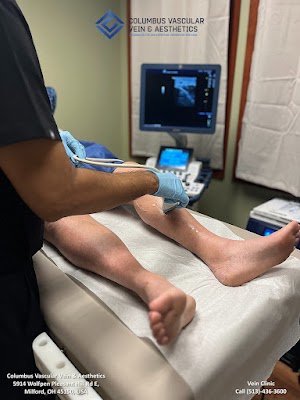
Prepare for your appointment with a short list of medications, past procedures, and the exact distances that trigger symptoms. Bring photos of any wounds over the last few weeks. Wear the shoes you normally use. Ask about the plan if the first treatment does not work as hoped. A clear conversation now prevents frustration later.
Final thoughts from the clinic
PAD rewards early attention and honest partnership. A skilled peripheral vascular surgeon brings a full toolbox, but also the discernment to use it well. The right plan could be a statin, a walking program, and quarterly check-ins. Or it could be a hybrid reconstruction with a femoral endarterectomy and tibial angioplasty targeted to a stubborn ulcer. Either way, the objective does not change: better blood flow, fewer cardiovascular events, and the ability to live the life you recognize as yours.
If you have leg pain on exertion, foot wounds that linger, cold toes, or a history that puts you at risk, do not wait. Schedule a vascular surgeon appointment, get objective measurements, and start a plan. The earlier we begin, the more options we keep on the table, and the easier it is to stay on your feet.